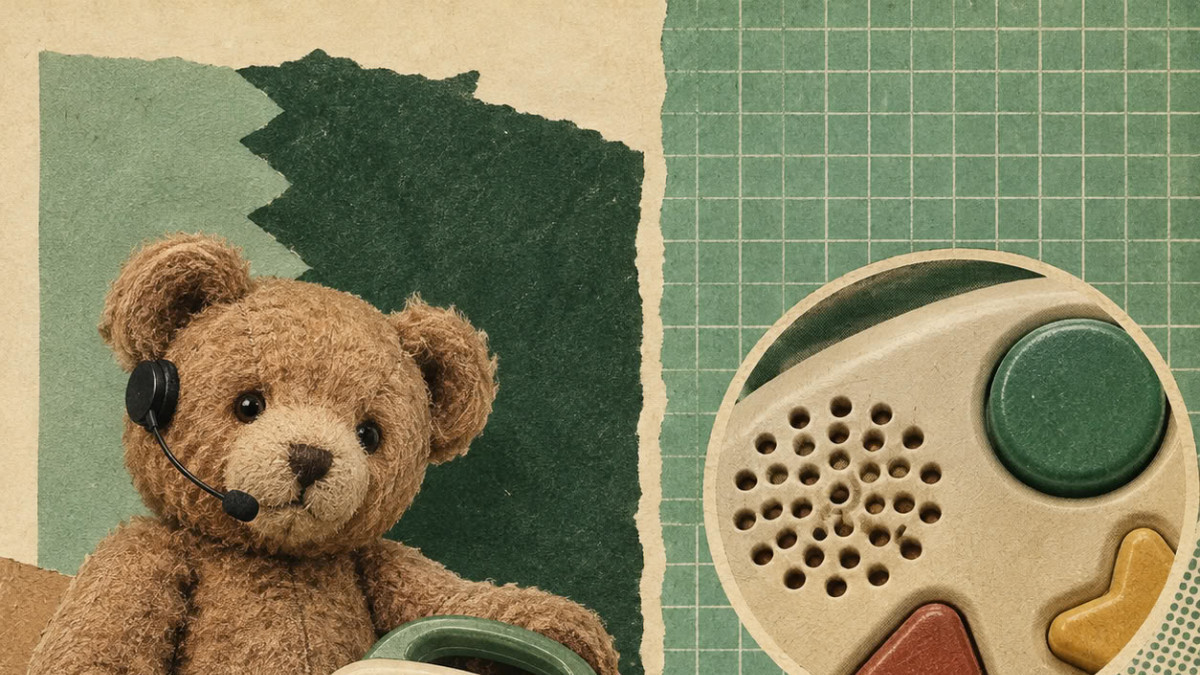

As the holidays approach, artificial intelligence is making its way onto toy store shelves, with conversational robots and interactive plush toys selling for between 70 and 150 euros. While some parents see an educational opportunity, experts warn of risks to children’s development.
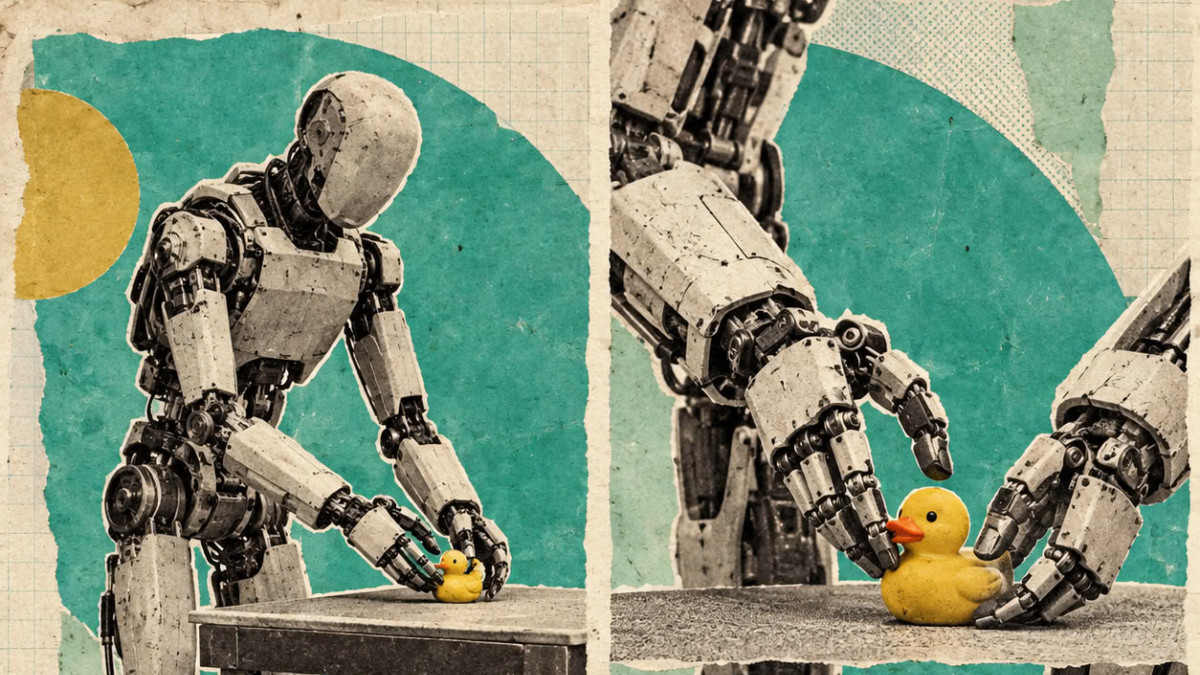
In toy stores, the Christmas season is already in full swing, and the new releases include robots or plush toys that interact with children using artificial intelligence. They answer all sorts of questions, whether it’s a cooking recipe or a general knowledge question. These toys are designed by the French company Lexibook, which developed its own conversational artificial intelligence.
Parental Control Highlighted
According to Aymeric Le Cottier, Chairman of the Executive Board of Lexibook, these products pose no risks. The artificial intelligence is restricted to avoid certain sensitive topics, particularly those of a sexual nature or related to violence. Parents also retain control over the toy through a parental control app to which all connected toys are linked.
From this app, parents can activate or deactivate the AI. ‘Once they are in the toy, they can read the entire history,’ the executive indicates. This possibility reassures some potential buyers. One man interviewed says he is ready to give such educational games: ‘Whether it’s children or us, we can’t live without artificial intelligence. So yes, absolutely, I would be ready to take educational games in this field.’ A woman believes, for her part, that these products can raise questions, ‘since we know there are many excesses with artificial intelligence.’
Warnings from Specialists
Intended for children over 5 years old, these toys raise concerns among mental health professionals. For their development, children primarily need human contact, they remind. Théo Mouhoud, a child psychiatrist, warns against interactions with a machine: ‘A child develops through relationships with others. A machine with 24/7 availability, inexhaustible, with memory, a simulation of emotions, an absence of conflict, that is extremely dangerous for children.’
According to the child psychiatrist, a child’s growth also involves confrontation with others. ‘We do it precisely when the other will say no in conflict, in contentiousness, in frustration,’ he explains. The two positions, that of the company and that of the specialists, thus find themselves face to face as the holidays approach.
By Christmas, Lexibook hopes to sell nearly 100,000 artificial intelligence-connected toys.