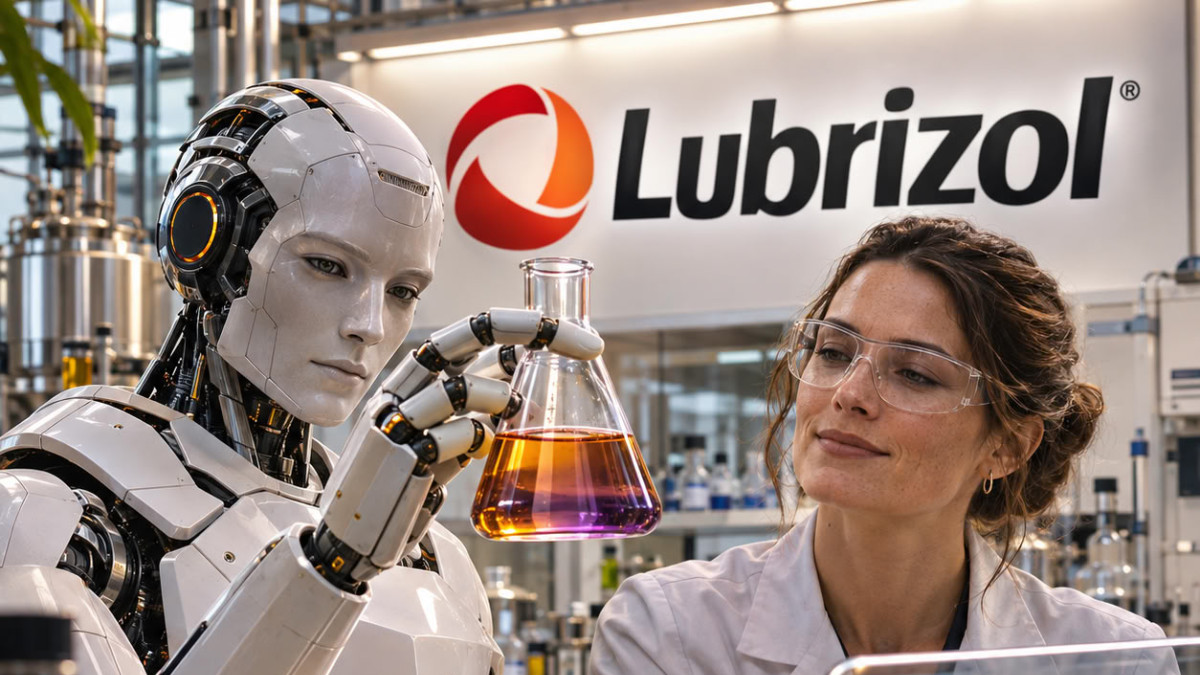

Lubrizol, a group specializing in specialty chemistry, brings together scientists, data scientists, and IT teams within ‘blended teams’ to deploy artificial intelligence. According to the published content, this organization aims to align these profiles toward common goals, starting with small pilots designed to build trust. This text was produced by Insights, MIT Technology Review’s custom content service, in partnership with Infosys, and not by the magazine’s editorial staff.
Complementary skills
Scientists, data scientists, and IT teams approach problems from different angles, prioritizing experimental validity, model performance, and platform security and scalability, respectively. By bringing them together, Lubrizol steers them toward shared objectives. ‘Once trust is established among team members and they know what value they are about to create, things go much more smoothly,’ says Rao.
Cloud infrastructure also provides the company with the flexibility needed to access computing resources and recent tools, without having to make the significant investments required to build and maintain its own data centers.
Sustainability in focus
These capabilities could prove particularly useful for sustainability. Digital modeling can help researchers evaluate more formulations, explore materials like starch or corn-based alternatives, and analyze trade-offs across a product’s entire life cycle.
But promising a material in the lab is only the first step. Scaling up to production while meeting performance expectations, regulatory requirements, and financial constraints remains a delicate exercise. AI’s ability to model numerous variables, however, could help teams navigate these competing demands.
Toward smarter labs and factories
Rao expects AI, automation, advanced modeling, digital twins (virtual replicas of processes or facilities), and connected data to converge as labs become smarter and production plants become more efficient. According to him, the challenge is to bring these capabilities together responsibly and at scale.
‘It’s not a single technology. I think it’s the combination of all these technologies, and it will be the ability to connect all these processes that will generate enormous amounts of data.’
